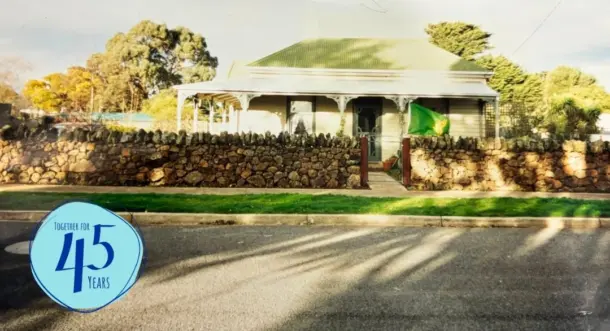
When we look back over 45 years of Gateways, there are defining moments that didn’t just grow our services, they reshaped what was possible.
One of those moments was the introduction of our first accommodation homes.
In 1989, Gateways opened Turalla, our very first home, providing respite support for up to four children at a time. It was a significant step forward. At the time, respite was the primary way we supported families, offering short-term care when it was most needed.
But something bigger was beginning.
By 1996, Gateways had built its first purpose-built home in Camperdown, what we now recognise as our first Supported Independent Living (SIL) home. That same year, we also opened our first house in Geelong. These weren’t just new services; they marked the beginning of a new way of thinking about support.
It took commitment and courage to make that shift.
It wasn’t only about constructing buildings, it was about creating real homes. Homes where people could feel safe and supported. It meant building a workforce ready to support people with diverse and complex needs and developing a model of care that balanced structure with dignity, and support with independence.
At the time, those involved saw it as the “next step”. Looking back now, it’s clear it was foundational to everything that followed. Today, Gateways supports people across 33 homes.
Changing what was possible
The introduction of accommodation services transformed the way Gateways supported people with disability and their families. For individuals, it created the opportunity to live in a home environment shaped around them, their routines, their preferences, their goals. Support could focus on building skills over time, rather than simply responding to immediate needs. It opened the door to greater independence and participation.
For families, it meant something deeply significant: peace of mind. Knowing their child or loved one could live in a stable, supportive home, with skilled staff and strong connections, changed what the future looked like. It meant care was shared, relationships could be maintained, and families could step out of crisis and into sustainability.
As one team member reflects:
“What felt like the next service development at the time was actually the beginning of a journey… creating safe, stable homes for people with disability changes what is possible, not just for the person, but for their family.”
A lasting impact
The impact of those first homes was profound.
For some families, they were life changing, even life saving, offering support where previously there had been very little. For individuals with complex needs, they provided not only a home, but access to skilled support and meaningful opportunities for growth.
Beyond the individual and family, these homes helped shape our community.
They marked a shift away from institutional models of care towards something more human, more connected. People with disability became visible in their neighbourhoods, participating in everyday life, building relationships, and being recognised as valued members of their community.
And that visibility mattered, because inclusion doesn’t happen in isolation, it happens when people live, connect and belong.